☕ The Daily Barrel | June 22, 2026
Oil prices cool as Strait of Hormuz recovery begins, while landowners scrutinize low-producing wells and operators deploy digital wellheads powered by flared gas.
Good morning from the patch.
The biggest story in global energy remains the aftermath of the Strait of Hormuz disruption. After weeks of market anxiety, oil prices have cooled as traders expect Middle East exports to normalize. WTI has slipped back into the mid-$75s, and Brent has retreated from its recent spikes as shipping routes reopen and supply concerns ease. Analysts at both the IEA and major banks now expect stronger supply growth heading into 2027, with some even forecasting a sizable surplus if global demand remains soft.
Source:
https://www.reuters.com/business/energy/iea-sees-gradual-hormuz-recovery-tipping-into-significant-2027-surplus-2026-06-17/
For independent operators and royalty owners, that means one thing: enjoy strong checks when they come, but don't assume today's prices are permanent. The market still has plenty of barrels waiting in the wings.
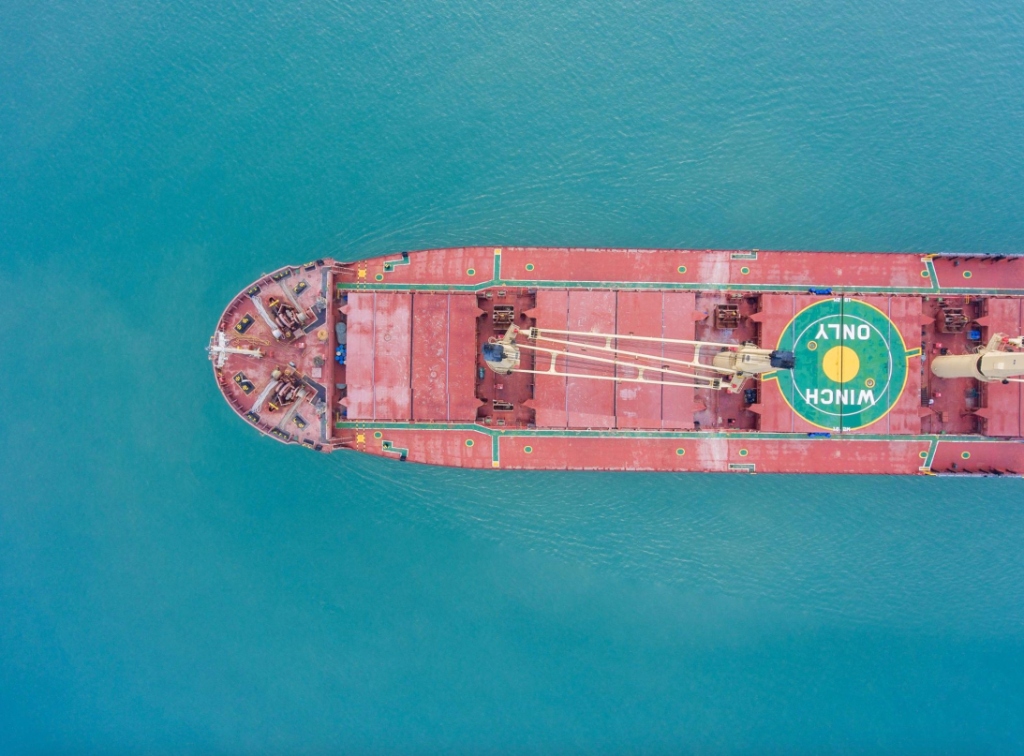
*Figure 1: An oil tanker navigating shipping lanes. The reopening of the Strait of Hormuz has eased supply fears, cooling crude prices back into the mid-$70s. Source: Reuters.*
Speaking of barrels, OPEC+ approved another production increase this month, marking its fourth output hike in as many months. While not every member can immediately reach its quota, the signal is clear. Producers want market share, and they believe demand can absorb more supply.
Source:
https://www.reuters.com/business/energy/opec-set-fourth-oil-quota-hike-since-hormuz-closure-sources-say-2026-06-07/
Meanwhile, the UAE is making a bold bet on long-term oil demand. The country is investing heavily in new production capacity and infrastructure, with plans to push output above 5 million barrels per day next year. That's a reminder that while headlines often focus on energy transition stories, many producing nations are still spending billions on hydrocarbons.
Source:
https://www.reuters.com/business/energy/uaes-postopec-expansion-push-lift-oil-output-above-5-million-bpd-next-year-iea-2026-06-17/
Back here at home, one issue every landman and mineral owner should watch is the growing scrutiny of low-producing wells. In Texas, landowners are increasingly frustrated by aging wells that produce just enough oil or gas to stay active while delaying plugging obligations. The debate centers on environmental responsibility, surface impacts, and whether operators should be required to clean up sooner. Expect this conversation to spread to other producing states as regulators and landowners push for answers.
Source:
https://www.texastribune.org/2026/04/20/texas-oil-wells-low-producing-railroad-commission-pollution/
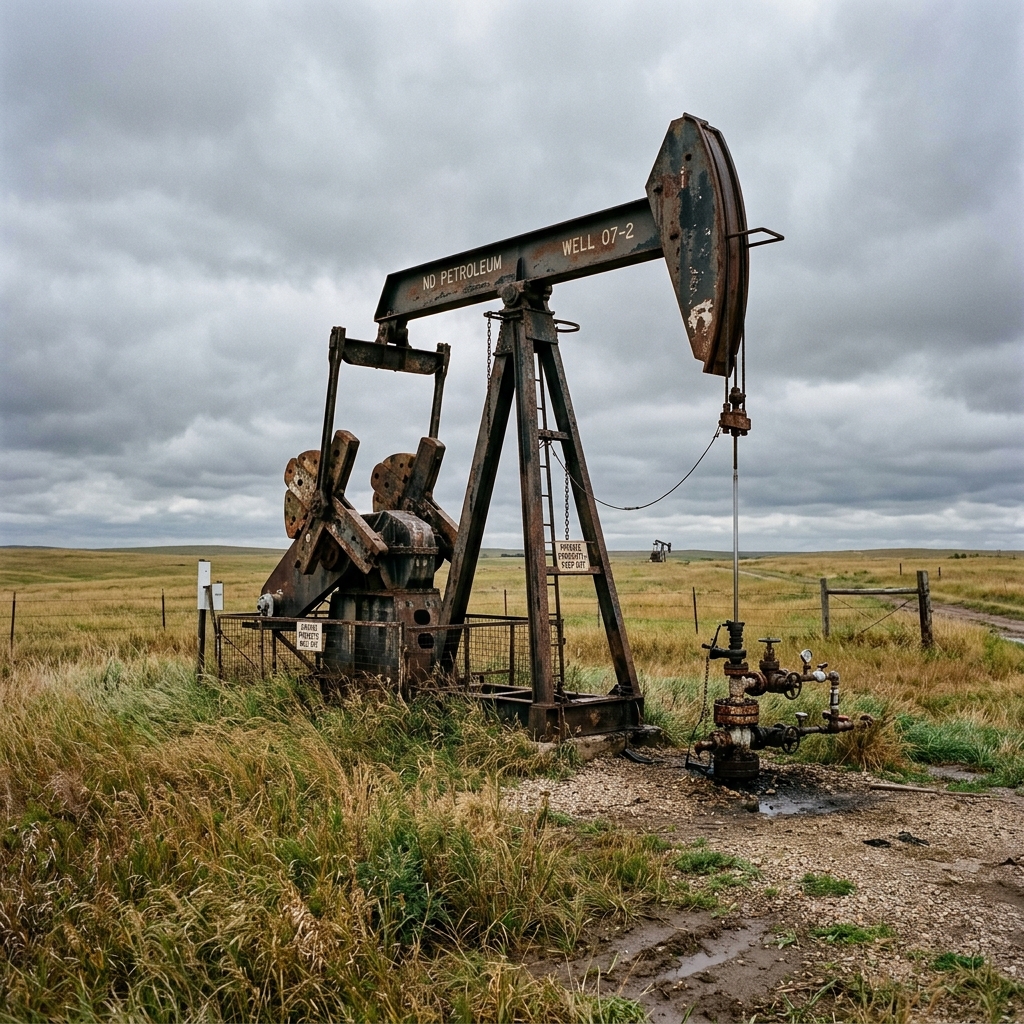
*Figure 2: A weathered pumpjack operating on a low-producing well. Regulatory scrutiny is mounting over aging wells that delay cleanup and plugging obligations. Source: North Dakota Monitor.*
For mineral owners, another trend worth following is the continued focus on royalty transparency. Across multiple producing regions, owners are asking tougher questions about deductions, payment calculations, and production reporting. The old advice still applies: read every division order, keep your check stubs, and don't assume the decimal interest is correct just because it appears on paper.
Source:
https://northdakotamonitor.com/2025/08/11/north-dakota-oil-gas-oversight-mineral-rights/
Now for something a little more fun.
What happens when you combine stranded natural gas, artificial intelligence, and a shipping container full of computers?
Increasingly, the answer is "digital oilfield revenue."
Companies are deploying mobile data centers directly at well sites to consume gas that would otherwise be flared. The concept started with bitcoin mining, but today many operators are exploring AI computing workloads as well. Instead of burning excess gas into the night sky, they're turning it into computing power. Whether you love crypto or hate it, there's no denying it's one of the more creative uses of associated gas the industry has produced in years.
Source:
https://www.crusoe.ai/resources/newsroom/bitcoin-solving-methane-problem
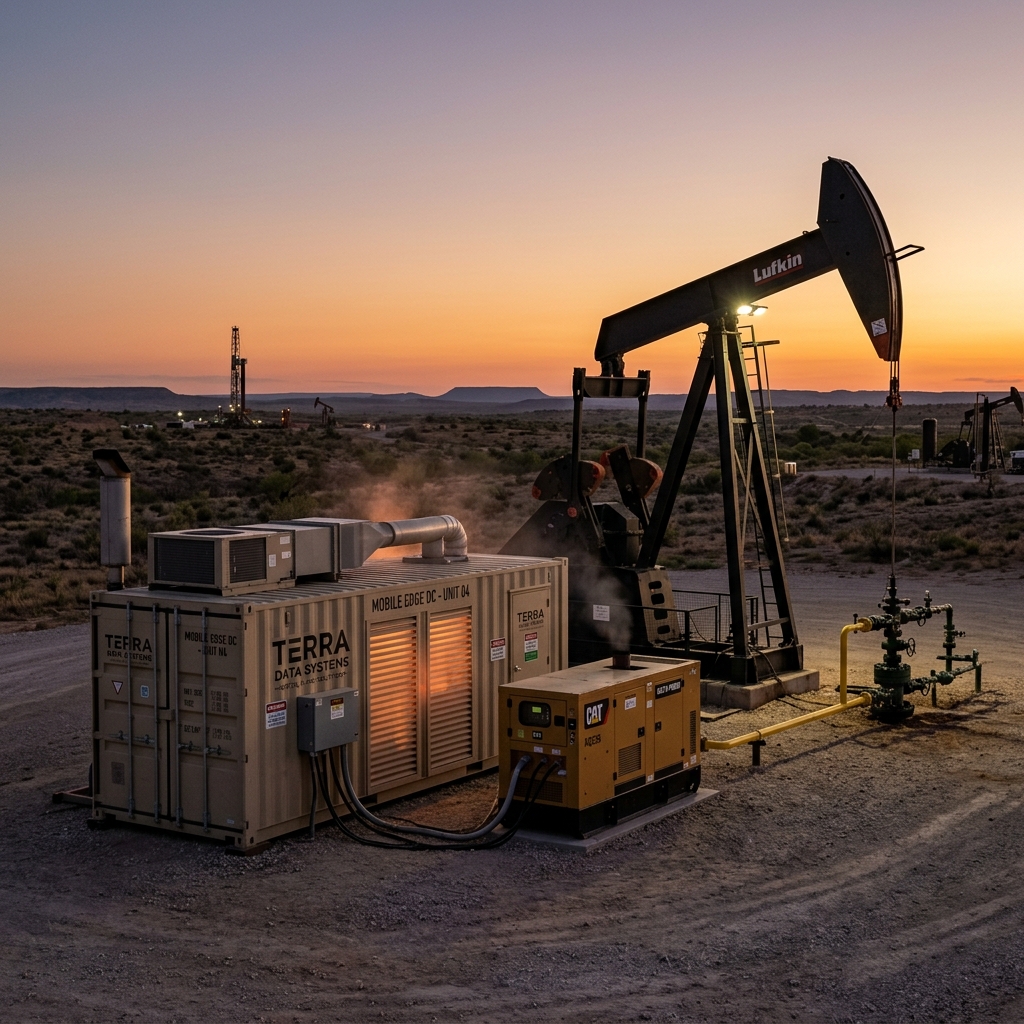
*Figure 3: Mobile data center container deployed at a West Texas wellhead to consume associated gas that would otherwise be flared. Source: Wildcatters.*
Imagine explaining that to a roughneck from 1985:
"Yeah, we're selling electrons generated from gas that powers computers teaching other computers how to think."
The old-timer would probably just ask if the royalty check cleared.
One final item to watch: LNG continues to reshape global energy markets. New export capacity from North America, including growing Canadian exports, is creating additional pathways for gas producers to reach premium overseas markets. For gas-focused regions, every new LNG train matters because it creates another customer willing to pay more than the local market.
Source:
https://oilprice.com/Energy/Energy-General/Canadas-LNG-Era-Has-Officially-Begun.html
## Bottom Line
Oil markets appear calmer than they did a month ago, but the long-term tug-of-war continues. OPEC wants higher production, the UAE wants more market share, LNG developers want more exports, and mineral owners want bigger checks. Some things never change.
And somewhere in West Texas, a gas flare that used to light up the night may soon be powering an AI server asking how many barrels are in a tank.
The answer, of course, depends on who measured it.
See you tomorrow in the Barrel. 🛢️