Saudi Arabia's Expected Price Cut Signals a Bigger Shift in Oil Markets
Wildcatters EditorialSaudi Arabia is expected to lower its July crude prices to Asia for a second consecutive month, according to a Reuters survey released Friday, as weaker Asian demand and falling spot premiums begin outweighing recent geopolitical supply concerns.
Reuters reported that Saudi Aramco's flagship Arab Light crude could see its official selling price fall by $3 to $8 per barrel compared to June pricing as refining margins weaken across Asia and Chinese demand remains softer than expected: Reuters Saudi Price Cut Report.
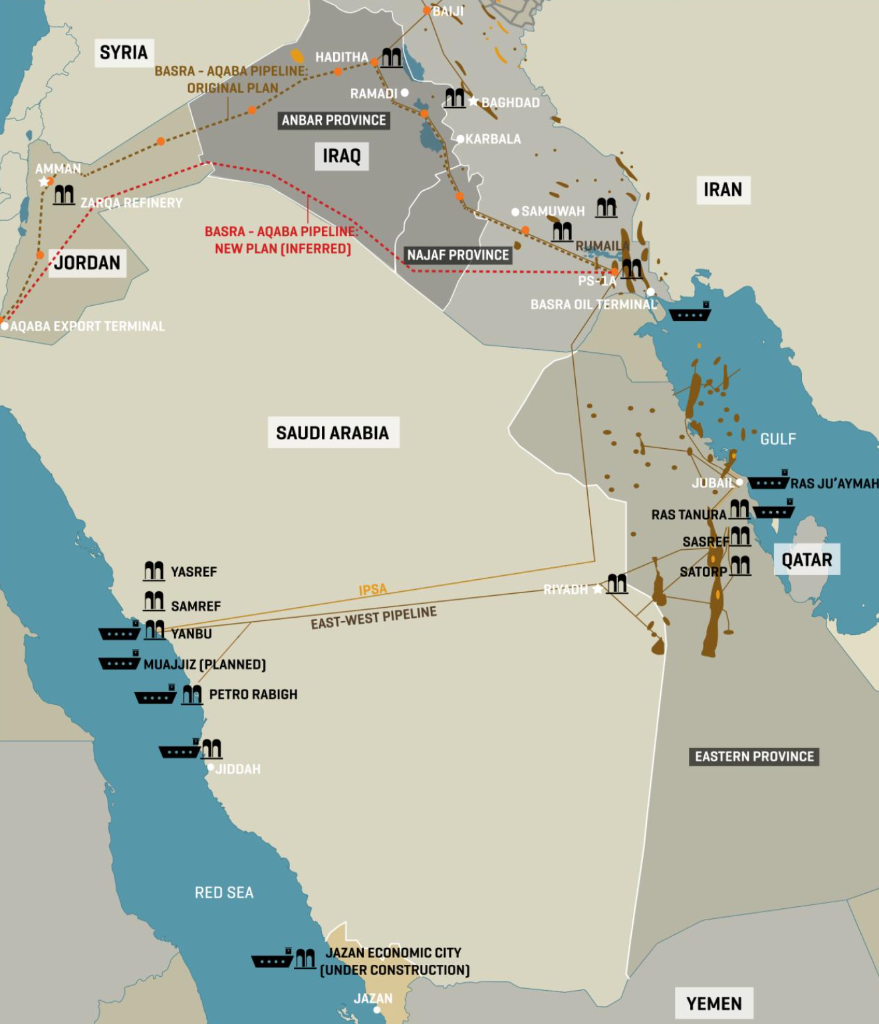 Figure 1: Critical Middle Eastern energy corridors and pipelines, including Saudi Arabia's East-West Pipeline linking major export outlets. Source: Industry Map.
The Timing Is Notable
Only weeks ago, oil markets were focused almost entirely on supply disruptions tied to the Middle East conflict and restrictions affecting shipments through the Strait of Hormuz. During that period, Dubai crude premiums surged above $60 per barrel as traders scrambled to price in potential shortages.
Today, that premium has fallen to roughly $9 per barrel according to Reuters market data, suggesting traders are becoming increasingly focused on demand fundamentals rather than supply fears.
 Figure 2: Global energy trading desk tracking physical premiums and geopolitical risk indices. Source: Reuters.
For U.S. operators, this shift matters.
Higher oil prices remain supportive, but weakening demand signals from Asia could eventually put pressure on global benchmarks if geopolitical risks continue easing. That's particularly important for producers across the Permian Basin, where capital discipline remains a priority despite stronger commodity pricing.
Figure 2: Global energy trading desk tracking physical premiums and geopolitical risk indices. Source: Reuters.
For U.S. operators, this shift matters.
Higher oil prices remain supportive, but weakening demand signals from Asia could eventually put pressure on global benchmarks if geopolitical risks continue easing. That's particularly important for producers across the Permian Basin, where capital discipline remains a priority despite stronger commodity pricing.
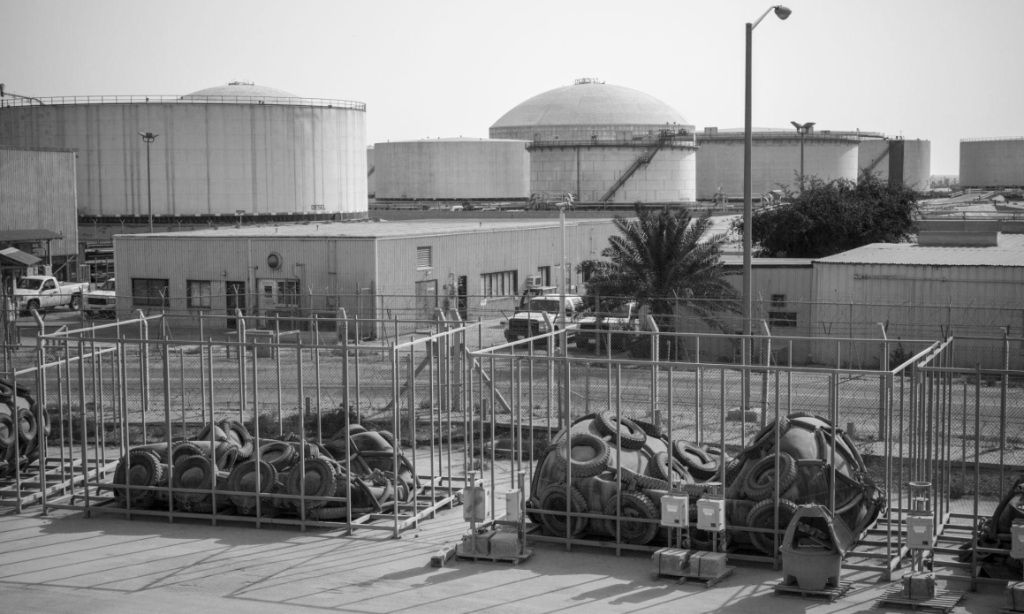 Figure 3: Refined products storage and processing units, the ultimate drivers of physical crude pricing and margins. Source: Midstream.
At the same time, broader energy investment trends continue moving toward natural gas and LNG infrastructure.
According to the International Energy Agency's 2026 World Energy Investment Report, global natural gas investment is expected to exceed $330 billion this year, the highest level in a decade: Reuters Natural Gas Spending Report.
Figure 3: Refined products storage and processing units, the ultimate drivers of physical crude pricing and margins. Source: Midstream.
At the same time, broader energy investment trends continue moving toward natural gas and LNG infrastructure.
According to the International Energy Agency's 2026 World Energy Investment Report, global natural gas investment is expected to exceed $330 billion this year, the highest level in a decade: Reuters Natural Gas Spending Report.
 Figure 4: Top-down aerial view of a marine loading terminal transporting crude to global export lanes. Source: Marine Intelligence.
The Takeaway Is Simple
Oil traders spent much of the spring worrying about supply. Today's Saudi pricing discussion suggests the market is beginning to worry about demand again.