U.S. Rig Count Stabilizes as Operators Wait for Clearer Price Signals
Wildcatters EditorialAfter months of uncertainty surrounding commodity prices, U.S. drilling activity appears to be entering a holding pattern.
According to the latest Baker Hughes rig count, operators added a small number of rigs this month, but activity remains well below the growth rates seen during previous oil upcycles: Baker Hughes Rig Count Data.
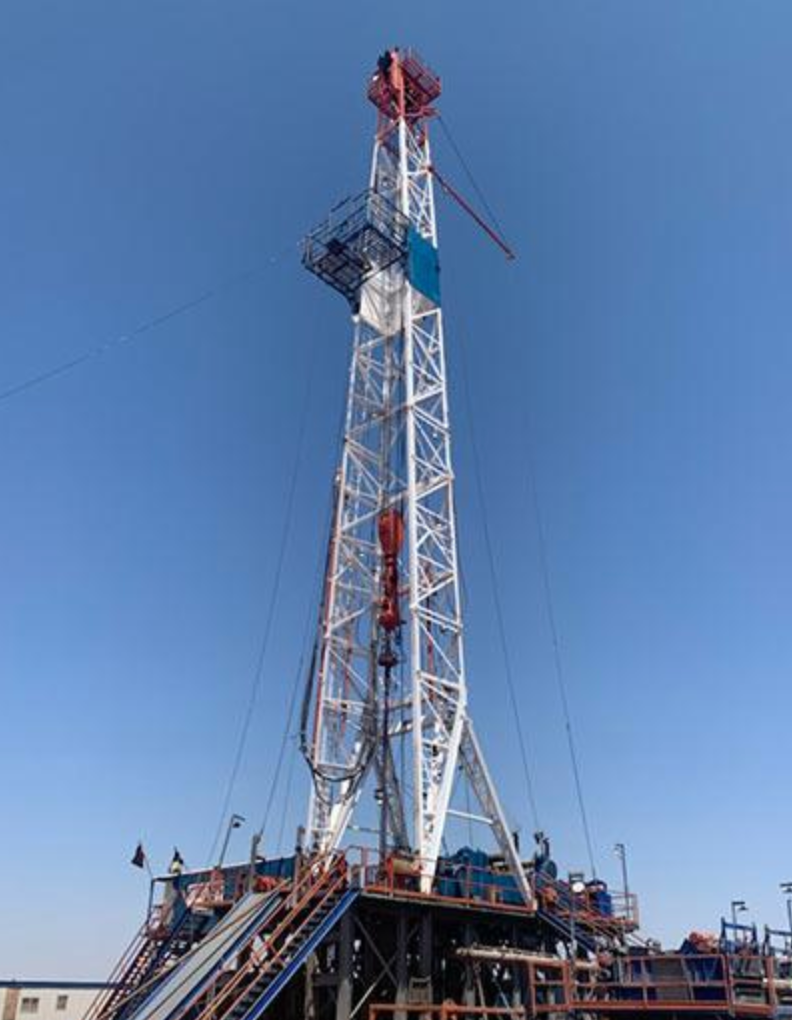 Figure 1: A premium land drilling rig operating under clear skies in West Texas. Source: Industry Photo.
The numbers tell an interesting story.
WTI prices have remained relatively supportive, yet most public operators continue emphasizing capital discipline rather than production growth. Instead of deploying additional rigs aggressively, companies appear focused on efficiency gains, inventory management, and shareholder returns.
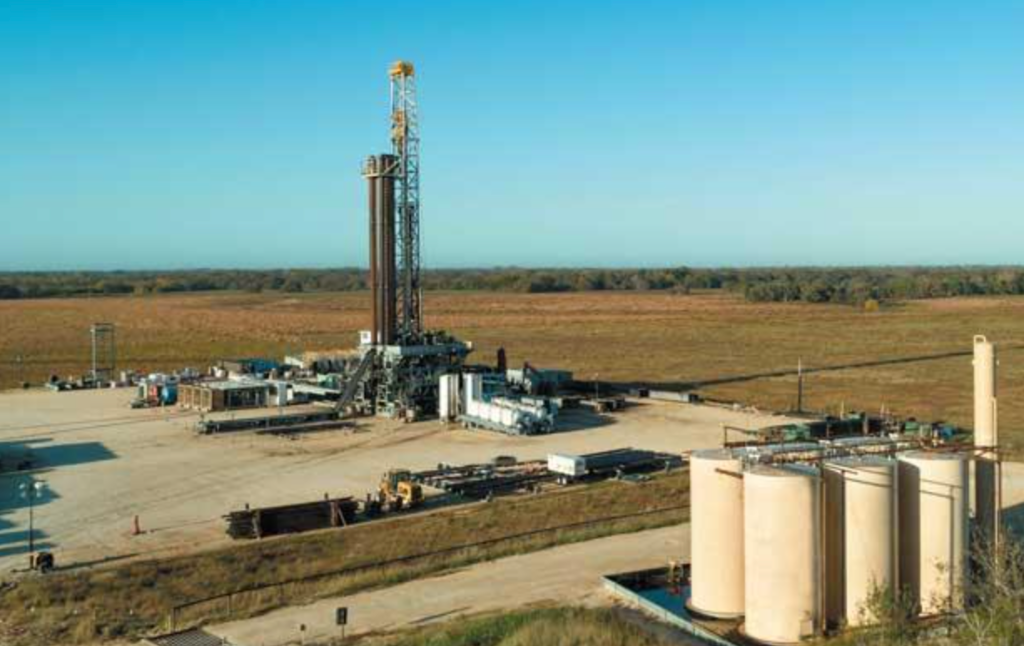 Figure 2: Comprehensive field overview of a drilling pad complete with product storage tanks and infrastructure. Source: Midstream.
That trend has become particularly noticeable across the Permian Basin.
The EIA's latest Drilling Productivity Report shows production continues climbing even as rig growth remains relatively muted. Improved drilling efficiency, longer laterals, and better completion techniques are allowing operators to produce more with fewer rigs: EIA Drilling Productivity Report.
 Figure 3: Rig site mobilization and support crane during completion adjustments. Source: Operations.
In other words, the relationship between rig counts and production isn't what it used to be.
Ten years ago, a flat rig count might have signaled slowing growth. Today, many operators can maintain or even increase production without significantly expanding drilling programs.
 Figure 4: An energy professional in high-visibility gear holding a hard hat, surveying rig efficiency progress. Source: Wildcatters.
For oilfield service companies, that creates a different operating environment.
Demand remains healthy, but customers are increasingly focused on productivity, cycle times, and cost control rather than simply adding equipment and crews.
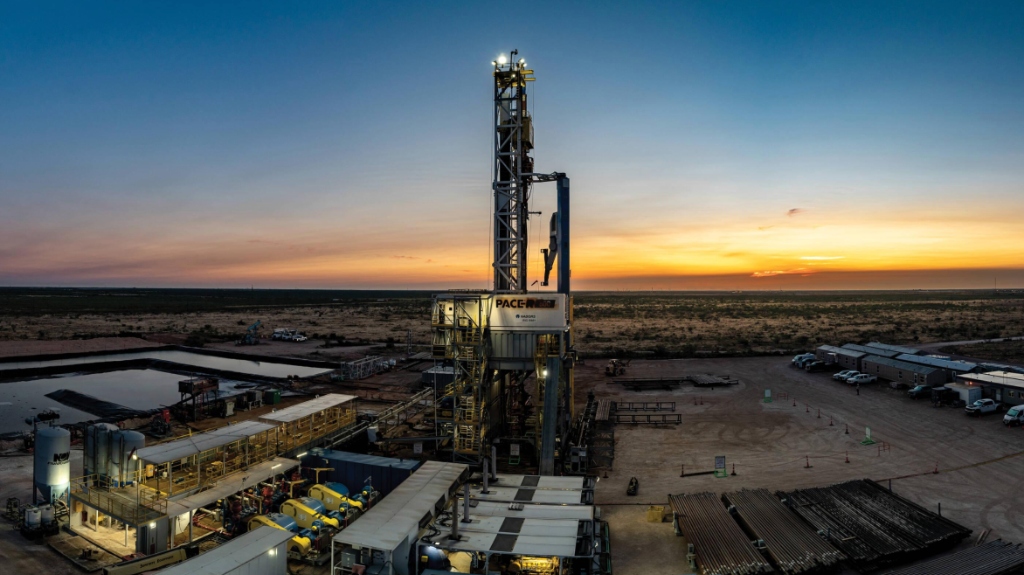 Figure 5: Rig crew technician adjusting block attachments during sunset operations. Source: Field Crew.
Why It Matters
The market appears to be rewarding operational discipline over aggressive growth.
- For operators: This means protecting margins and focusing on high-return inventory.
- For investors: It suggests U.S. production growth may remain more measured than previous cycles despite relatively strong commodity prices.
- For service companies: Efficiency and technology adoption may become more important competitive advantages than fleet size alone.
What We're Watching
- Weekly Baker Hughes rig count
- EIA production forecasts
- Permian Basin activity levels
- Natural gas takeaway capacity
- Summer demand trends
Sources & References
- Baker Hughes Rig Count: rigcount.bakerhughes.com
- U.S. Energy Information Administration (EIA): eia.gov/petroleum/drilling