☕ Wildcatters Daily | June 23, 2026
Wildcatters EditorialJust a few weeks ago, traders were preparing for an energy crisis.
Today, they're preparing for the possibility of an oil surplus.
That dramatic shift remained the biggest story in global markets on Tuesday as investors continued digesting the U.S.-Iran peace framework and the reopening of the Strait of Hormuz. Oil prices stabilized after a violent selloff, with Brent crude trading around $77 per barrel and WTI near $74 as markets tried to determine how quickly Iranian barrels could return to global supply. Reuters reported that renewed access to Iranian, Venezuelan, and Russian crude is reshaping supply expectations almost overnight.
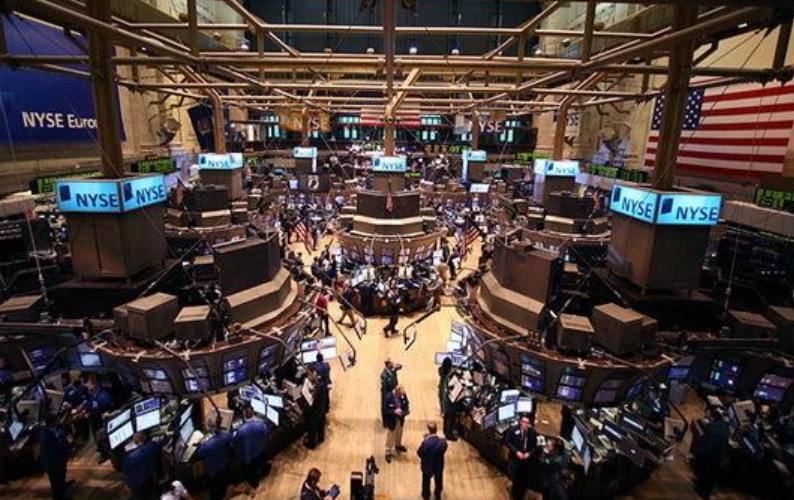 Figure 1: Map displaying daily tanker positions in the Persian Gulf and Strait of Hormuz. Reopening the Strait has allowed exports to normalize, stabilizing Brent near $77. Source: Kepler / Flanders Marine Institute / The New York Times.
The market's attention is now focused on shipping traffic. While the Strait of Hormuz has technically reopened, analysts continue warning that a return to normal operations could take months due to congestion, insurance concerns, damaged infrastructure, and lingering security risks.
For U.S. operators, this creates an unusual environment. Oil prices have fallen sharply from wartime highs, yet they remain above pre-conflict levels. The question now isn't whether oil can reach $120 again. The question is whether prices settle closer to $70, $80, or $90 as additional supply returns to market.
Meanwhile, Wall Street experienced one of its roughest sessions in months.
Technology stocks led a broad market decline after investors increased expectations that the Federal Reserve could raise rates again later this year. Under new Fed Chair Kevin Warsh, markets are now pricing in a significantly greater chance of multiple rate hikes before year-end. Bond yields climbed to their highest levels in more than a year, sending investors out of growth stocks and into safer assets.
Source: https://www.reuters.com/world/asia-pacific/global-markets-global-markets-2026-06-23/
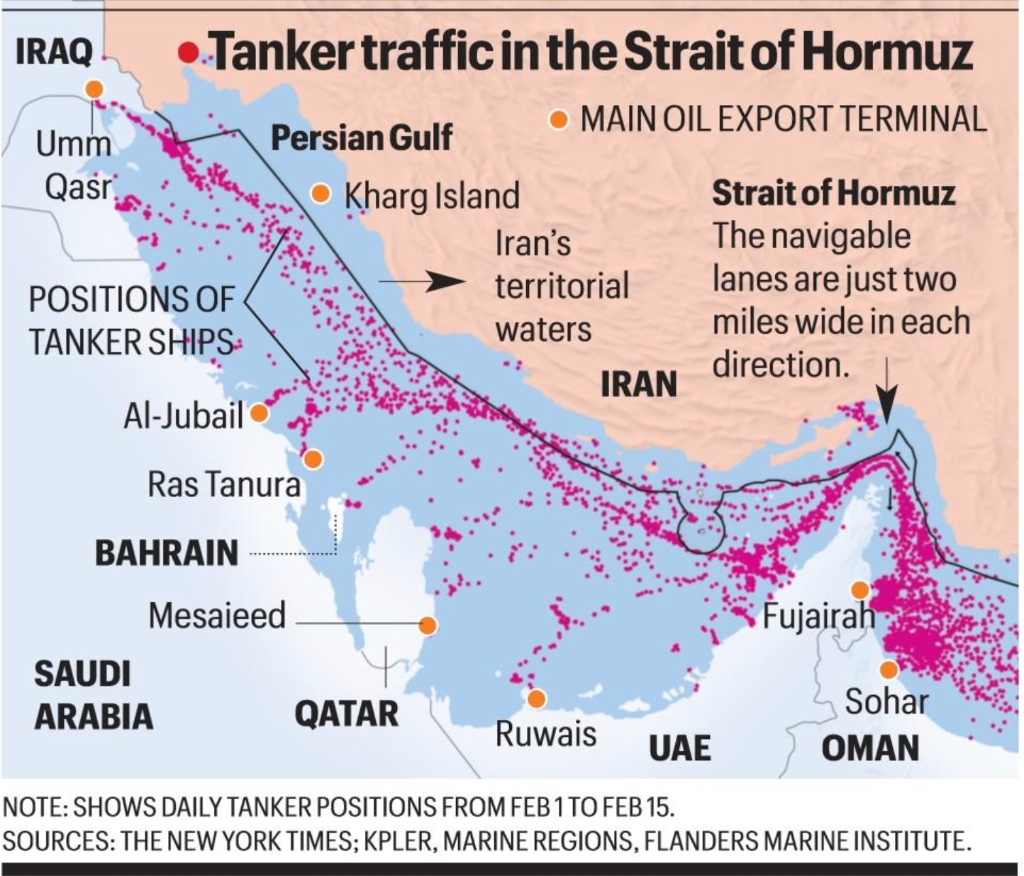 Figure 2: Active trading on the New York Stock Exchange. Fed rate hike expectations under new Fed Chair Kevin Warsh sent technology stocks and SpaceX lower. Source: Reuters.
The biggest casualty was SpaceX.
After becoming one of the hottest public offerings in market history, SpaceX suffered its largest decline since going public. Reuters reported the stock fell nearly 17% following concerns about debt-funded AI investments and broader weakness across technology markets.
Source: https://www.reuters.com/commentary/reuters-open-interest/global-markets-view-usa-2026-06-23/
For energy investors, the selloff highlights something important.
For much of the last two years, investors rewarded growth at almost any cost. Today, the market is once again asking questions about profitability, debt levels, and cash flow. That's a conversation oil and gas operators know well.
In many ways, the current environment may actually favor independent operators and mineral owners.
While technology companies face pressure from higher rates, many producing oil and gas assets continue generating strong cash flow. The economics may not be as attractive as they were when oil briefly surged above $100, but operators who can produce profitably at current prices remain in a strong position.
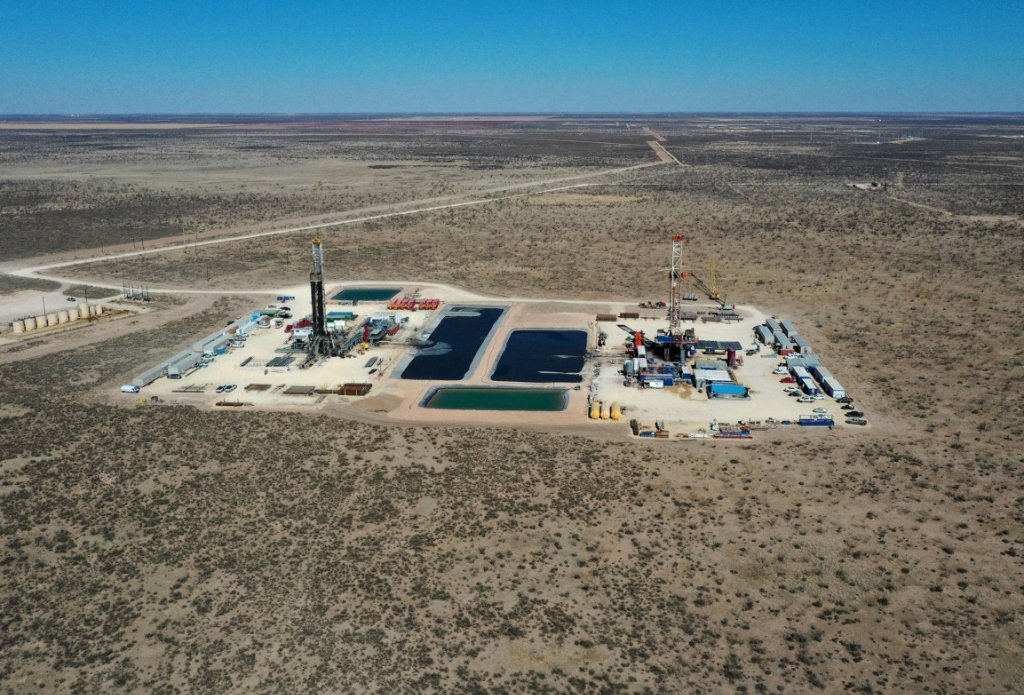 Figure 3: Aerial view of a drilling wellpad in the Permian Basin. Producing oil and gas assets continue generating strong cash flow in the current pricing environment. Source: Wildcatters.
Longer term, OPEC continues forecasting significant growth in global energy demand. Last week, the organization projected worldwide oil demand reaching 124 million barrels per day by 2050 while calling for roughly $17.7 trillion in energy investment over the next quarter century.
Source: https://www.opec.org/pr-detail/1854607-18-june-2026.html
That forecast stands in sharp contrast to many market narratives that assume oil demand is approaching a permanent decline.
For Wildcatters readers, today's takeaway is straightforward:
The geopolitical panic is fading.
The supply story is returning.
Interest rates are back in focus.
And the operators who can generate consistent cash flow, regardless of commodity volatility, may find themselves in the strongest position heading into the second half of 2026.
Top Reads Today
Reuters: Oil Markets Focus on Hormuz Flows After Peace Talks https://www.reuters.com/business/energy/oil-gains-after-selloff-awaits-progress-strait-hormuz-flows-2026-06-23/
Reuters: Global Markets Fall on Fed Rate Hike Expectations https://www.reuters.com/world/asia-pacific/global-markets-global-markets-2026-06-23/
Reuters: SpaceX Suffers Largest Post-IPO Decline https://www.reuters.com/commentary/reuters-open-interest/global-markets-view-usa-2026-06-23/
OPEC World Oil Outlook 2026 https://www.opec.org/pr-detail/1854607-18-june-2026.html
EIA Short-Term Energy Outlook https://www.eia.gov/outlooks/steo/